How did Shakespeare find his way from Stratford to London?
I’m not asking the big metaphysical question about that special spark of genius in the son of a wool merchant from the sticks who rose to fame. Nor am I asking the specific question that haunts Shakespeare scholars about whether Shakespeare joined up with some traveling troupe of players and thus made his way to London, or if he simply looked around him in Stratford, decided that his future lay in the big city, and hoofed it out of there.
I’m thinking of the more historical question about travel in late 16th century England. Most people didn’t get more than twenty miles from where they were born. The countryside was a crazy quilt of small roads linking towns and villages and historically set footpaths, but major roads? Not so much. And Shakespeare, setting out for the bright lights of the big city, couldn’t stop in for a road map at the local gas station or bookstore. Could he? Was someone selling maps of English ways in 1580?
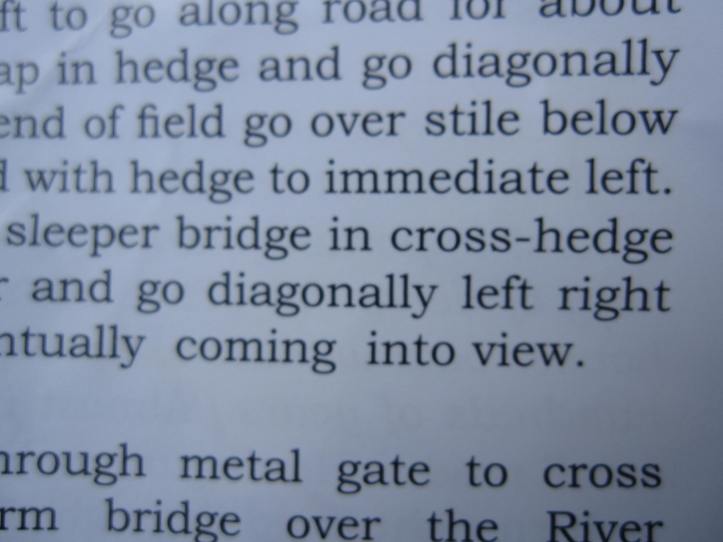
I’m using a guide book to Shakespeare’s Way, tearing out the pages for each day’s journey so that I can easily tuck them into the pocket of my cargo shorts. (Yes, as annoying as cargo shorts are, that leg pocket is incredibly practical for stowing a few folded pages of guidebook for quick retrieval every few hundred yards, or when the going gets tough, every ten feet or so, with me reading the same sentence four or five times trying to make it match the landscape in front of me.)
Though it’s amusing to imagine old Will with a guidebook (entitled “My Way”) sorting out each forking of the paths and tricky bit involving which direction to take across a field to stay on course, it seems more likely that he was working it out as he went. There would have been toll roads on which he could have taken a horse, but that would have cost money, and he was more likely to have walked. That, at least, is the hypothesis of the people who created the Shakespeare Way. Because there are no helpful documents to work it out (no postcards from the road: “Dear Mom and Dad, Excited to see Oxford, which has an astonishing number of public houses. But don’t worry; I am being moderate. Yours, Will”)
Would he instead have been collecting information from inns and public houses along the way? Stopping in each town to confirm his next move? Would he have assembled some set of notes based on local lore? I am sure there is plenty of good scholarship on the everyday life of the 1500s that would answer my question, and perhaps I’ll dig into this later (I have a lurking suspicion that the answer is buried somewhere in my guide to Shakespeare’s Way, in which I have focused my attention on the trail description, skimming the sections on historical background).
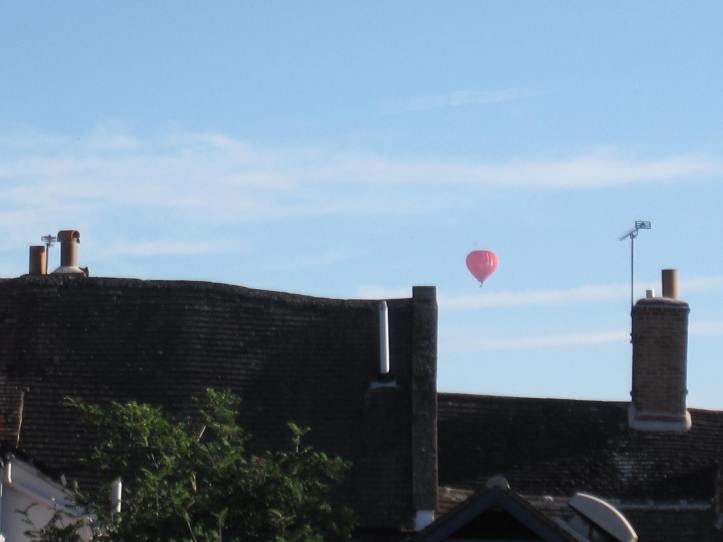
This was on my mind on day two, heading from Shipston-on-Stour to Chipping Norton (Shipston, by the way, not because someone in the heart of the midlands had a nautical fixation, but because it was a huge center of commerce for wool and sheep—Sheeps Town). The footpaths of Shakespeare’s time were, I am sure, in much heavier use by locals, who couldn’t hop in the car for a quick trip over the hill to see Aunt Millicent. To get anywhere away from your front door for most people meant using footpaths over the fields. But once you got outside your normal radius (ten miles?), how did you know which way to go? The path would have been more sharply defined (though as you can see from my photos, there are places where it’s not exactly ambiguous), but which path?
Day two, in addition to being all about reading directions with a careful attention to detail (“Go 150 paces and watch for a gap in the hedge on the right with a kissing gate”), was the abandonment of gentle undulation toward the more aggressive climbs and descents of the Cotswolds. For those of you a bit rusty on your English geography, the Cotswolds are a dramatic set of hills stretching from the northeast to the southwest across the midlands like raised scar tissue. It’s a geological formation of Jurassic limestone that yields the pretty yellowish stone used in many of the buildings hereabouts. You can actually see the dominant color of churches and other old buildings change from the grey stone of other parts of the country to the warm yellow. Cool.
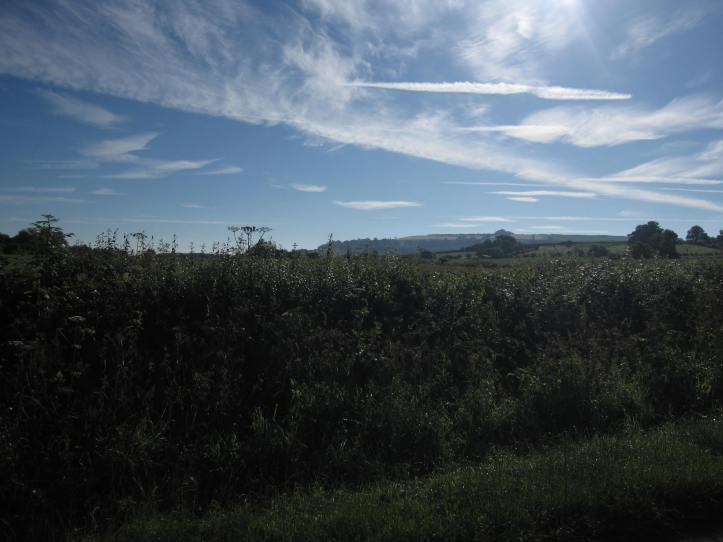
Less cool from a walking perspective is that the limestone rose up above the surrounding land to create an escarpment, which is a neat-o word but means hard uphill climbs from the countryside of Stratford to the higher ground of Chipping Norton. I’ve been here before, of course (cf. the earliest entries on this blog site, which detail my hike on the Cotswold Way), so I know these hills and their rather merciless tendency to 30 degree inclines stretching for hundreds and hundreds of yards. It’s not mountaineering, and the Swiss Alps in which I walked two years ago, would laugh at such mellow ascents, but on day two of a hike, as I am getting back into full walking shape, these hills make me conscious of my breathing and the steady strain on my leg muscles. It’s what I came for, but it takes a few days to get past the whispering voice in my head saying “Oh my god, what was I thinking?” to “Oh, yeah, I can do this.”
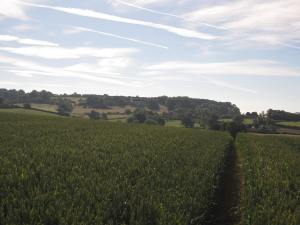
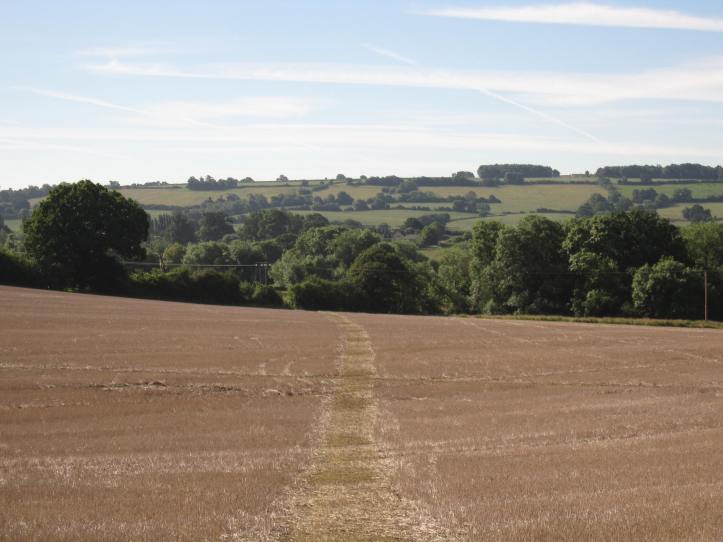
So, today’s walk had a lot of variety in terms of types of fields I’ve been walking through, and even had a nice if too brief stretch through a little forest (cooler and hushed). And it had the drama of seeing the escarpment ahead and knowing that I would be going up. And then down. And then up again. Because it isn’t just one clean drop-off. The edge of the Cotswolds feels hard and distinct in comparison to the gentle roll of day one, but it’s not like getting atop a mesa. It’s like getting into the leading edge of very hilly country, and then going over those hills.
That’s a lot of talk about general things and not a lot of detail about what I saw today, but do you really want to read “And then I went over another stile, this one really rickety. And then I crossed a field of bean plants. Broad beans, by the way.
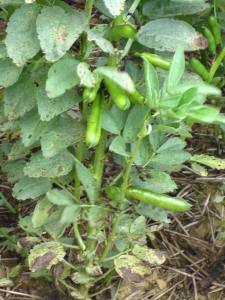
That’s what those plants were in yesterday’s blog post. It’s worth noting that when walking on a tightly confined path through wheat or broad beans (the farmers usually don’t want to give up any more of the field than they have to for the path), you discover how many pointy ends there are in plant-life that isn’t specifically designed to poke you like a thorn but definitely makes an impression on bare shins. My legs have been feeling the variety of plant-life for two days now, from stinging nettles to mild-mannered bean plants, and it’s one more dimension to go with the sights and sounds and smells of the trail (What is that one plant that smells sort of skunky? Lot of that along the trail in the less well-kept fields.).
In Chipping Norton, I am staying at the Crown and Cushion, which was, fun trivia, once owned by Keith Moon of The Who, leading to local legends about his weird behavior and the rather epic parties held here. Not for me, though. A bath (oh the joy of a hotel that has bathtubs!), a nap, a sandwich for dinner, a bit of reading (Julian Barnes, Flaubert’s Parrot, which I can’t understand how I missed reading all these years, because it’s great and it’s about someone obsessed with a great writer, rather good reading when walking Shakespeare’s Way), and off to bed.
Total distance: 14 miles of trail, one slight detour when a direction about a “hidden gate to the left” wasn’t quite emphatic enough, but let’s call it 14 miles.
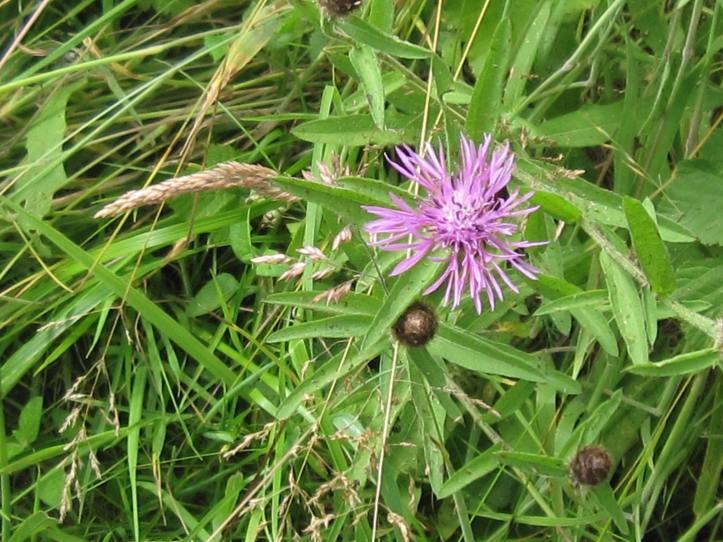
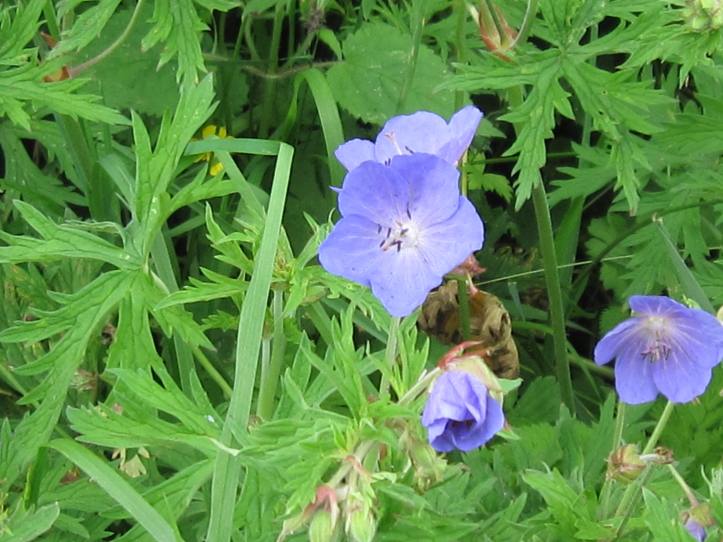
I’ll end with three photos with no thematic link to this post, just to show you I take neat pictures: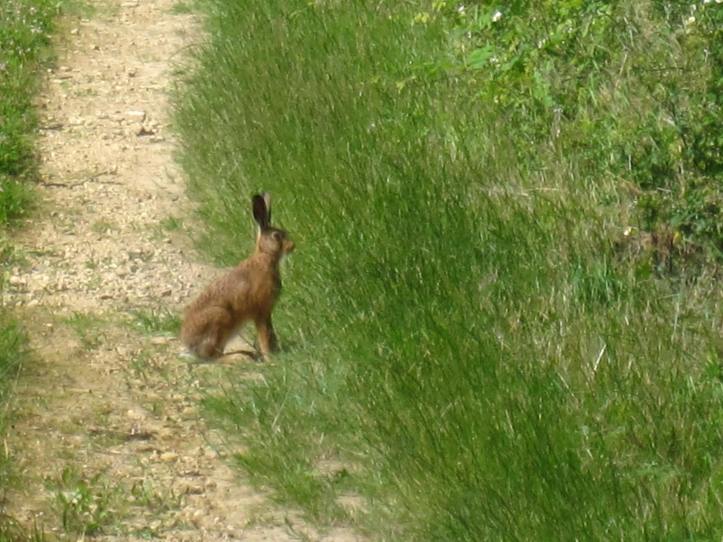
 ramblinghank
Hank already eagerly anticipating every day! Looks absolutely beautiful. I think you may have to make a book out of these blogs….
Can’t wait to join you in one week!!!!
Ok, I think I may have said this the last time you were in England, but I seriously do want to join in on the next ramble!
So inspiring – love reading along Hank.
Reading daily. Keep it up!
I always find day two of my multi-day physical trips (hiking, cycling) to be my “Oh my god, what was I thinking?” day. Usually day three, I wake up ready to face the world, and then do something insane like sprint the first 10 miles or climb a ridiculously large hill to prove it.