There is a squeak in my boot. It’s my left boot. It happens just as my heel is hitting the ground in the rhythm of a pace. It’s a high-pitched “ree” somewhere between the sound of a squeegee being drawn over a wet window and the creak of an old tree in the wind. Sometimes, the right boot will join in with a squeak at a slightly higher pitch, maybe a few tones up the scale, so that I get a sing-song E-C-E-C-E-C-E-C as I walk. I’ve tried tightening my bootlaces, loosening my bootlaces. It’s here for the duration. I’m reasonably sure that it is coming from the insoles I use, which are not the ones that came with the boots. Because I, like millions of unfortunate runners, suffer from plantar fasciitis, I need a little extra arch support to keep my heels from becoming their own symphony of shooting pain. With the insoles, no problem. Without them, the first weight on my heels in the morning creates exquisite pain, which lessens as they warm up. My current theory is that it’s the high-density foam rubber of the insole rubbing against some rubber or leather part of the inside of the boot, triggered by the movement and weight of my foot and possibly exacerbated by sweat, which would explain why the sound can appear like a phantom in the right boot. There are times when I don’t notice it at all, or when the sounds of the forest or the wind make it imperceptible, but the squeak is there. I’ve had fantasies about finding a town big enough to have a store that sells silicone spray, which, in my fantasy at least, I spray onto the insoles before reinserting them, thus silencing my constant companion. I’m not always aware of the squeak, but not a day has passed that I haven’t thought about it at least five or six times.
As I walk, I frequently reach back with my right hand to the outer mesh pocket of my daypack where I keep my camera, a pocket actually meant to house a water bottle. I touch the camera, just to reassure myself it is there. I’ve no reason to worry that it will drop out; the pocket has a tightening cord, and I’ve got it perfectly set so that it’s relatively easy to get the camera out, but still secures the camera so that even if I hold my pack upside down and shake it, the camera won’t fall out. The camera touch is just a habit, a reassurance that the camera is there and all is well. I carry it in the mesh pocket because I’ve found that I don’t like carrying the camera dangling from anywhere on the front of my body, or in a pocket. But I like to have easy access to it, so the water-bottle pocket is perfect. It only takes a reach back to pull it out for a quick photo. Some walkers swear by easy access to two water bottles, one in the mesh pocket on each side of the pack. I find that I don’t want a sip of water as I walk; if I want water, I’ll stop and sit and gulp huge, desperate swallows of water, a half a bottle or sometimes the whole thing in one stop. So I keep my water bottles inside the daypack.
Once, twice or sometimes three times a day, somewhere on the trail, I stop to pee. I try to find a place that is secluded, but with enough view of the trail ahead and behind that I can feel safe that I won’t be interrupted by approaching hikers. Every so often, my pee break is symbolic, more like a dog marking territory. When I reached the Offa’s Dyke halfway marker, you’d better believe that after my lunch by the sign, I stepped off the trail and marked the occasion. And yes, I found the temptation irresistible to pee in the canal. I felt the simple joy of a boy of eight when I did it.
I tell you all this simply to stress that there are all sorts of parts of my day that I haven’t been writing about, things that I don’t have time to write up, things that don’t feel significant, things that happened that felt significant for five minutes along the trail that I forget by the time I am writing, things I am thinking about that are, frankly, none of your business.
I also tell you all this because the walk between Welshpool and Trefonen, though long, is mostly quite boring. There are nearly 12 miles through the long level (-ish) area around Welshpool, a region whose flatness marked about half of day 17, before the trail hits any dramatic altitude gain and ‘scenery’ in the last four or five miles of the day. There’s a lot of walking on the dyke itself, but it’s a part of the dyke that has been shaved down over the centuries by farming so that now it’s a weird snake-like lump about four feet high and eight or ten feet across that runs through field after field, on and on.
During this stretch, I was thinking about the little things that get lost in the blog, but also about the big thing, the dyke. It’s an amazingly varied companion on the trip, sometimes a tree-covered line rising up a hillside, sometimes more like the raised flesh of a surgical scar on your skin, long and regular from a distance, but oddly uneven in width and height if you look very closely. At times, the hill and the ditch in front of it are both well-preserved, and it is easy to imagine the Mercians smiling to themselves as they thought of those Welsh maniacs running toward it and being slaughtered in the ditch.
Though I know that most of the variation in height and drama is a result of the passage of time, I prefer to imagine the variable quality of the dyke as the result of the process of its construction. So there’s Offa, ready to undertake an enormous government project, like Eisenhower declaring the interstate highway project. It’s massive, and it’s going to take a lot of work. How does the government go about it?
I like to imagine a contract bidding process, rife with corruption, like the city projects of Chicago, where a relative of an elected official just happens to run a business that does just exactly what is called for (a business newly registered just months before the project was announced…what a coincidence!). I imagine fat-bellied, cigar-chewing Mercian construction contractors patiently explaining to the government official assigned with allocating all this work how the costs are variable and hard to predict, but we can probably do this five-mile section for 2 million gold coins, but there might be cost overruns, and the cost of existing serf pension plans means that labor costs are higher than they used to be. I picture the scene as the contractor, his belly even rounder from all the lavish dinners he and the government official billed to the project because ‘business was discussed,’ looks at a particularly stony, remote hillside and says to his underling, a hard-bitten practical guy who knows the ins and outs of how to get a dyke built, “Well, Charlius [yeah, I know, the -us suffix suggests they are Romans, not Mercians, but I don’t have easy shorthand for a Mercian name], the king’s not actually going to visit all of the dyke-works. When we’re near a town, give it the works, ten feet high, spectacular ditch work, drainage, neat rounding, the whole nine yards. But out here? Eh, have the serfs dig up some earth, move enough rocks to make a wall. I’m not saying we don’t build it…hey, I’m a proud Mercian citizen, and I feel the threat of those illegal Welsh immigrants taking away good Mercian jobs just like the next guy. But come on, out here in this remote spot, what’s it really going to matter. So, Charlius, you get my drift; do what needs to be done, but keep those costs under control.”
After years of work, with unexpected delays and cost overruns leading to an outraged Mercian senator demanding an investigation of the entire project and the tarnishing of Mercia’s reputation with the gross corruption and ineptitude of the Offa administration; after Offa’s measured response of beheading that senator; finally, it’s time for a ribbon-cutting. The contractors and the government bureaucrat have carefully chosen the site, a section of dyke that looks just like the drawings and models mocked up at the start of the project by the visionary government engineer. Offa comes out with his ceremonial ribbon-cutting sword (You don’t want to waste a good battle sword for these events, and in fact signed copies of the sword will be presented to the various dignitaries present for the ceremony as a memento). After a string of lesser officials are allowed to make speeches, Offa rises and delivers a rousing, carefully written elegy to the Mercian values of hard work, craftsmanship and hatred of those Welsh savages, and proclaims that now, at last, Mercians can sleep easy because illegal Welsh immigration will no longer be a problem. And…scene.
What’s that? You want some photos of the day? Okay, fair enough. Here’s how it went.

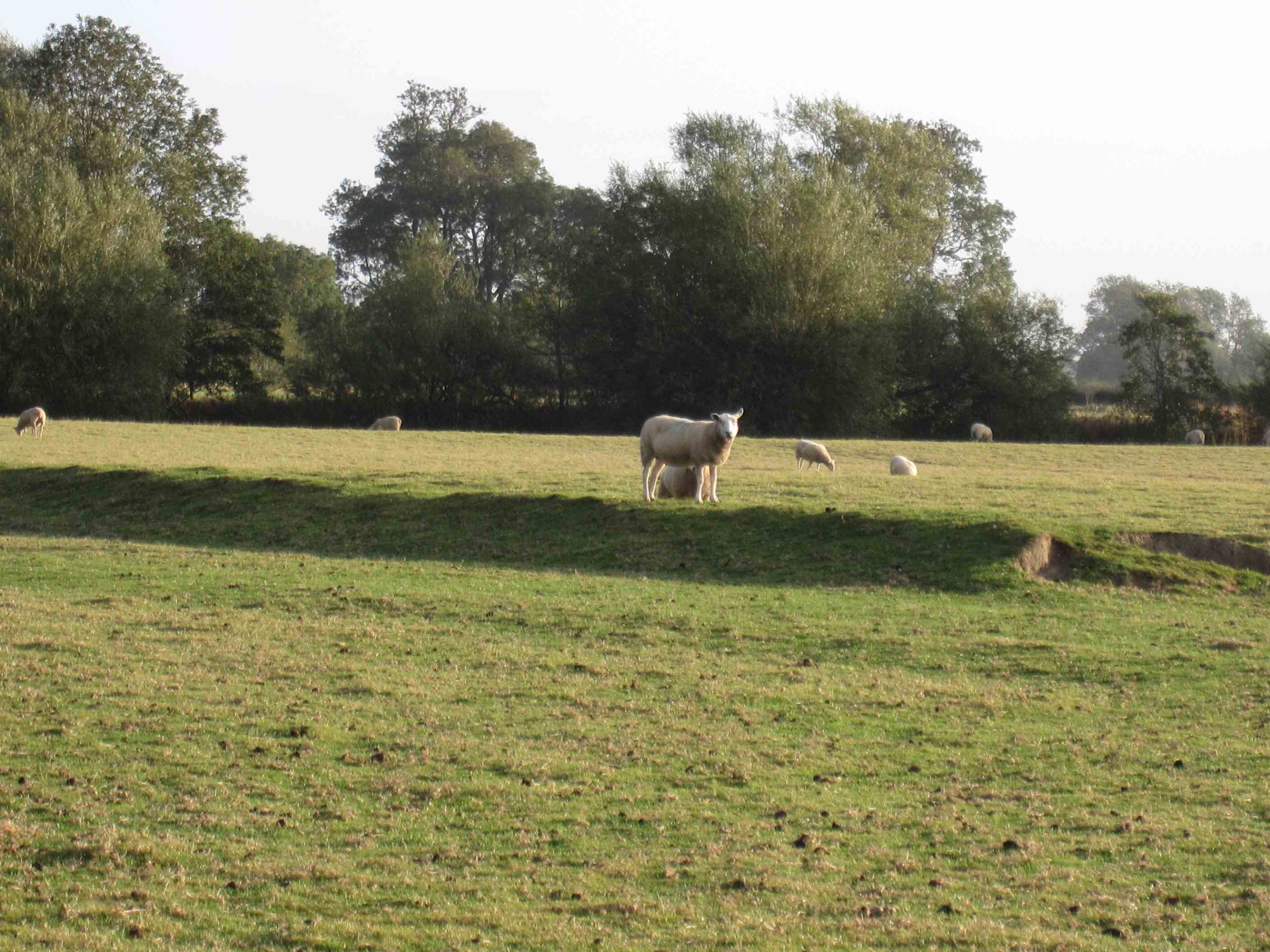
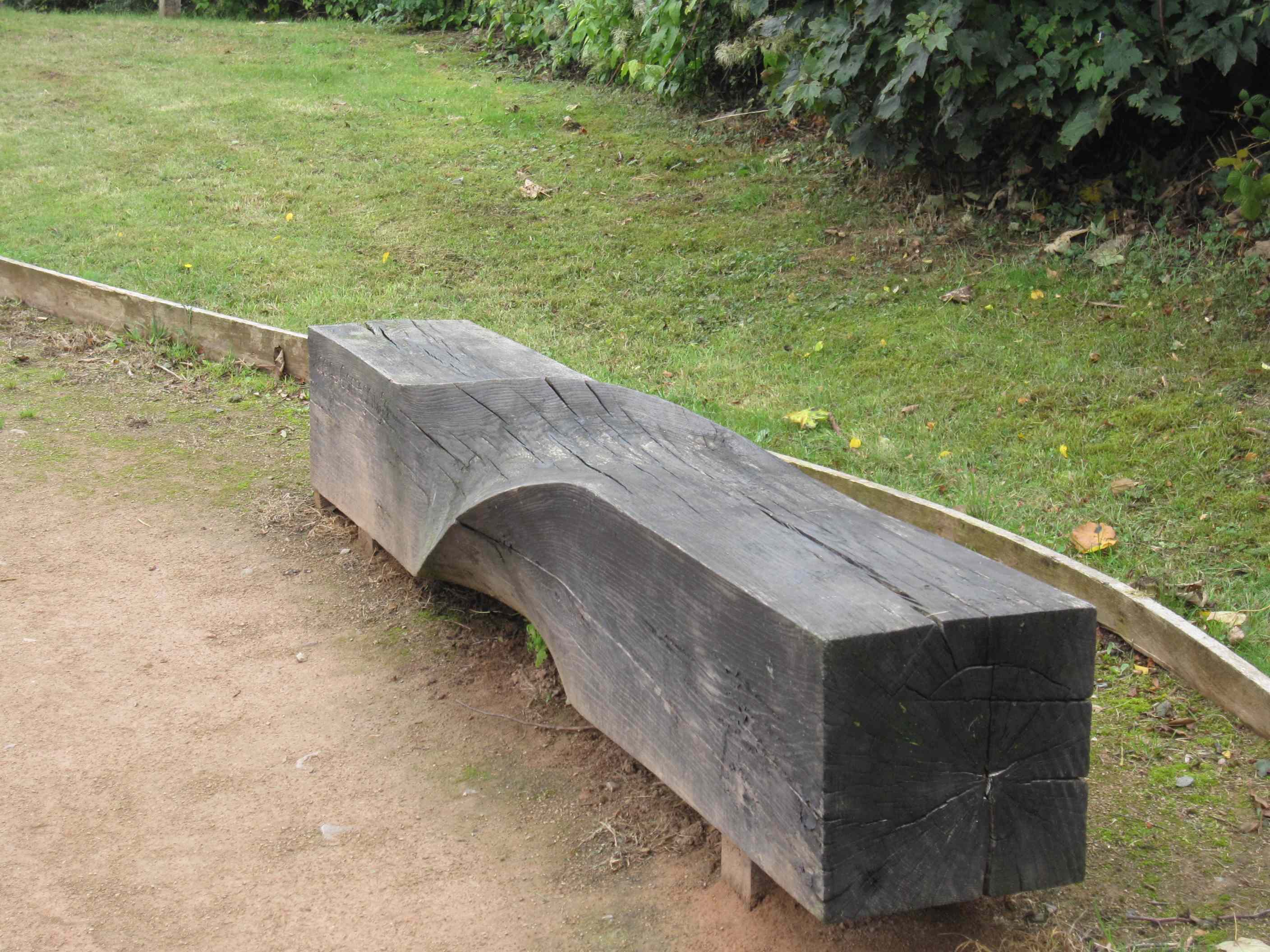
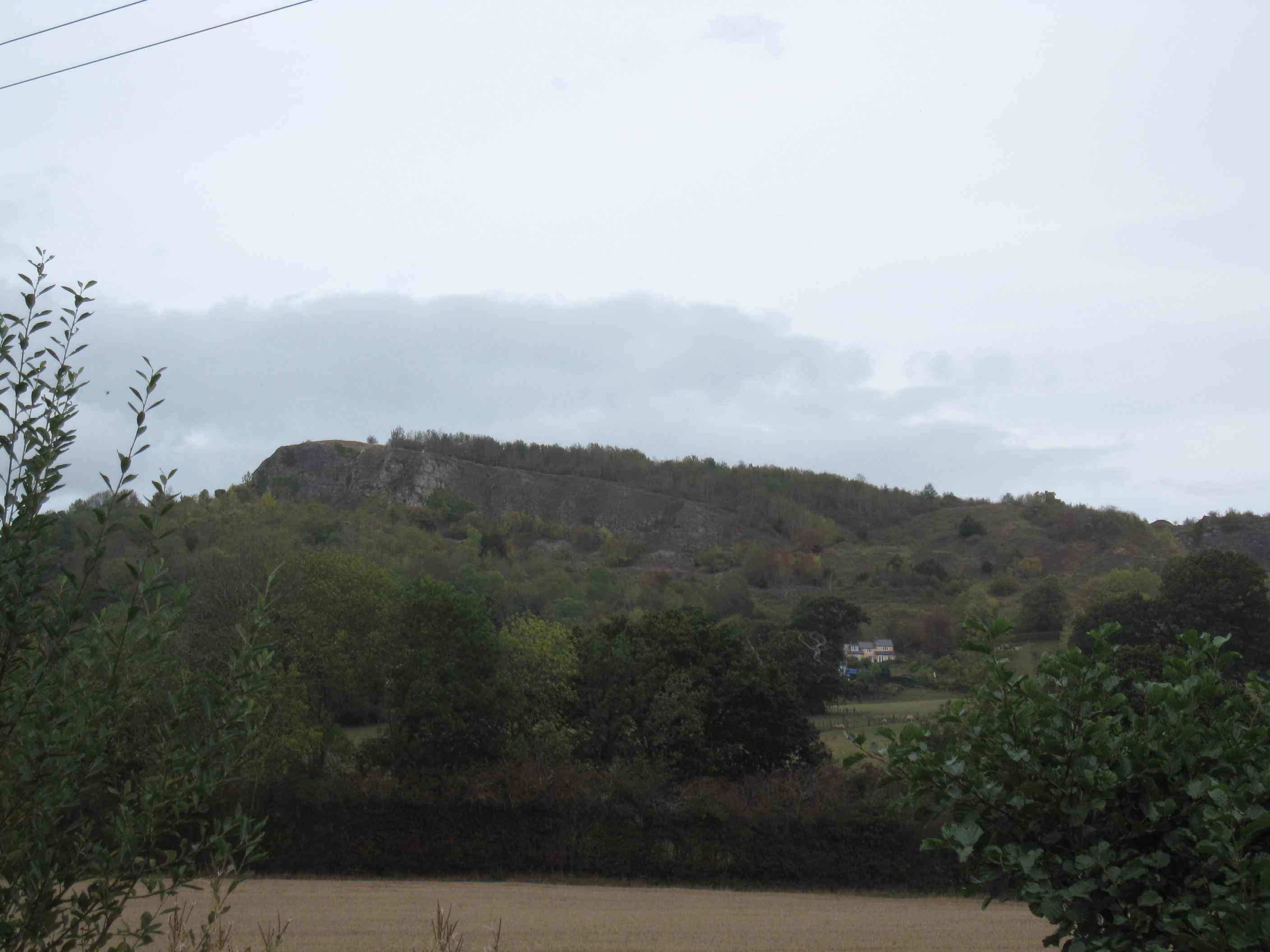

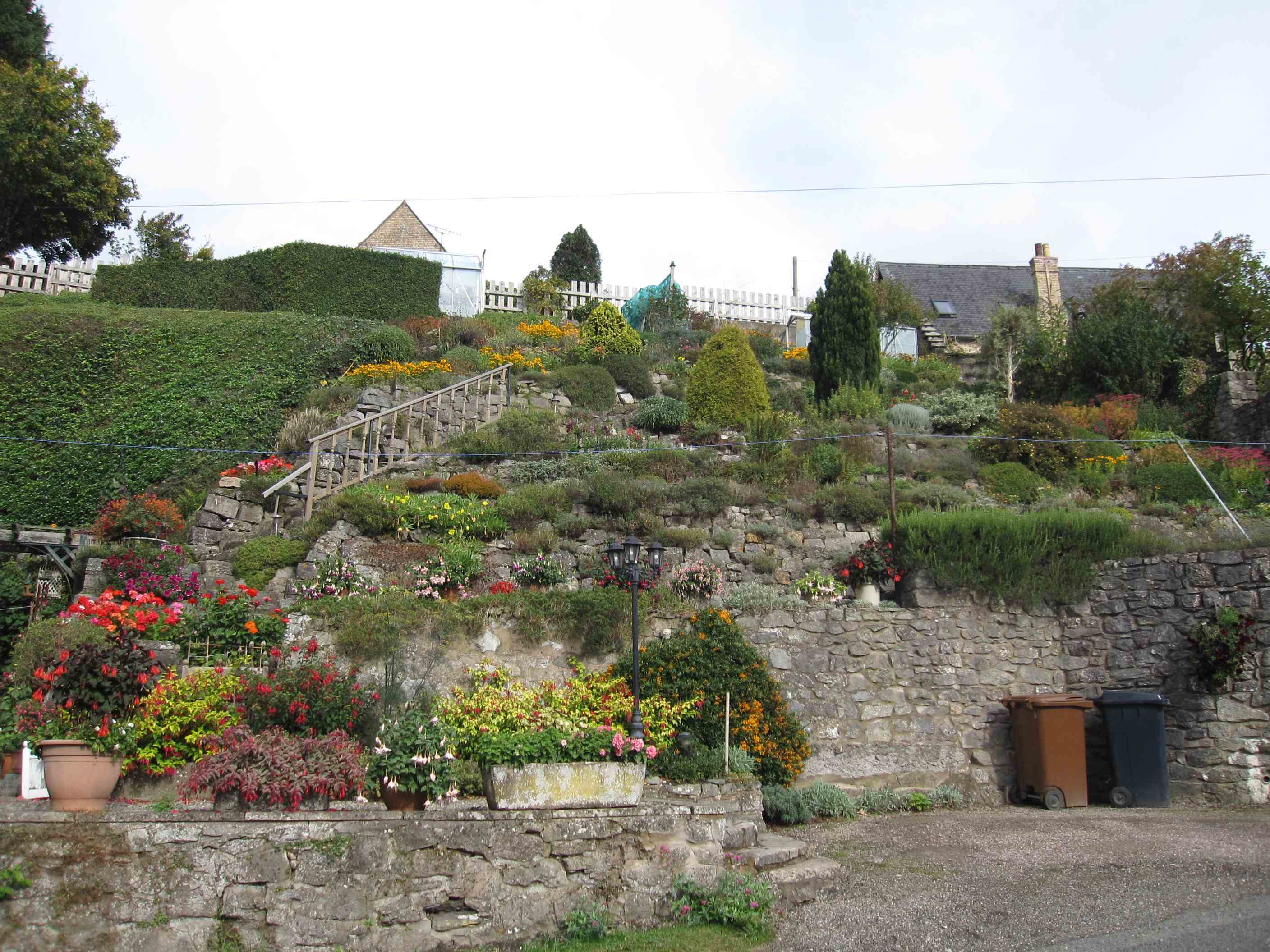
Miles walked: 16, roughly.
 ramblinghank
Good web site you have got here.. It’s hard to find good quality writing
like yours nowadays. I honestly appreciate individuals like you!
Take care!!
[…] thoughts and moments I’ve left out. (I’ve reflected on this before, in a different way, on a previous ramble.) Just before we got to the path around Llyn Ogwen, two military prop-engine single-seater planes […]